EV Charger Install Estimator, Western Cape
Budget calculator
EV Charger Install Estimator
Plug in a few details about your setup and get an instant ballpark for your EV charger installation (VAT included). Final pricing is confirmed on a physical site assessment.
Ballpark estimate
Based on what you’ve selected so far
What Influences Our Quote
Quotes can vary widely – ensure the following components are covered:
-
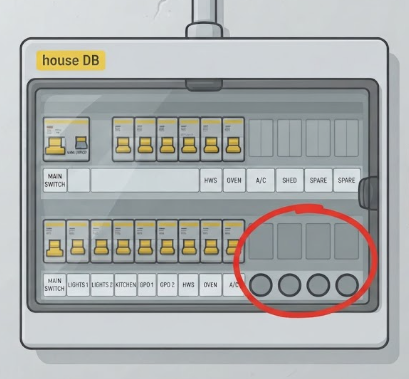 1: Space in existing electrical board. The board needs 1-4 spare spaces.
 -
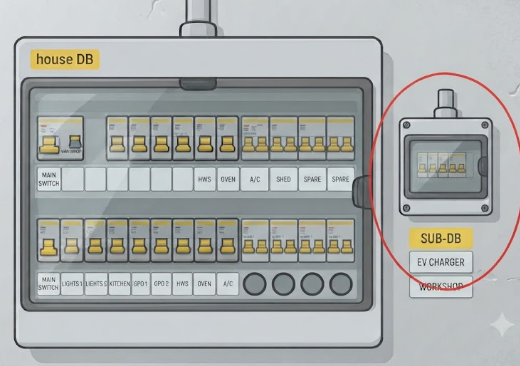 2: No space? Sub DB next to the main DB will be required – normally a 6-way surface mounted)
 -
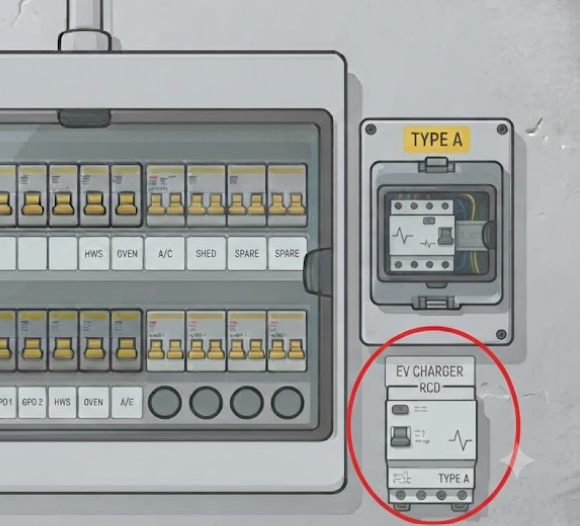 3: Type A VC8035 compliant ELU (if the charger has no built-in RCD then this is necessary)
 -
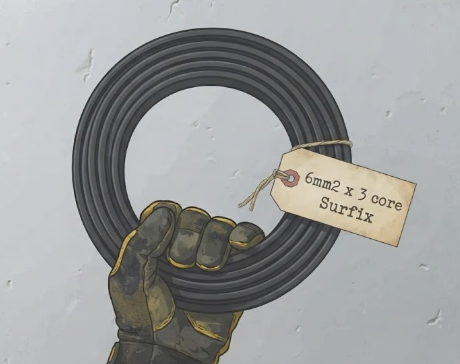 4: Cable size and length (6mm or 10mm is the norm) – calculated on Surfix 3-core
 -
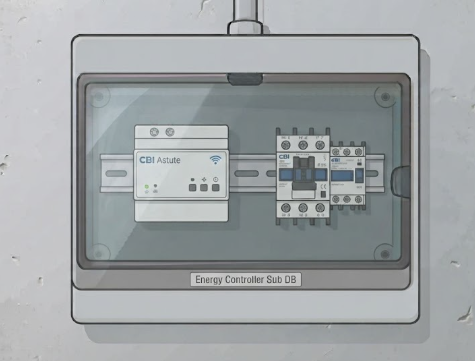 5: Power constraints? Load mitigation calculated off CBI CT driven Astute Controller.
 -
 6: Difficulty of pulling cable (holes through wall/s, trenching, etc.). The cable usually takes up 60/70% of the install time.
EV Charger Install Estimator, Cape Town, Western Cape
This is a ballpark estimate based on real-world installs EVCI has completed.
The calculator is relatively accurate and EVCI expects the quote to come in close to, or moderately lower than, the estimate shown here. A physical site assessment is the only way to confirm exact pricing.
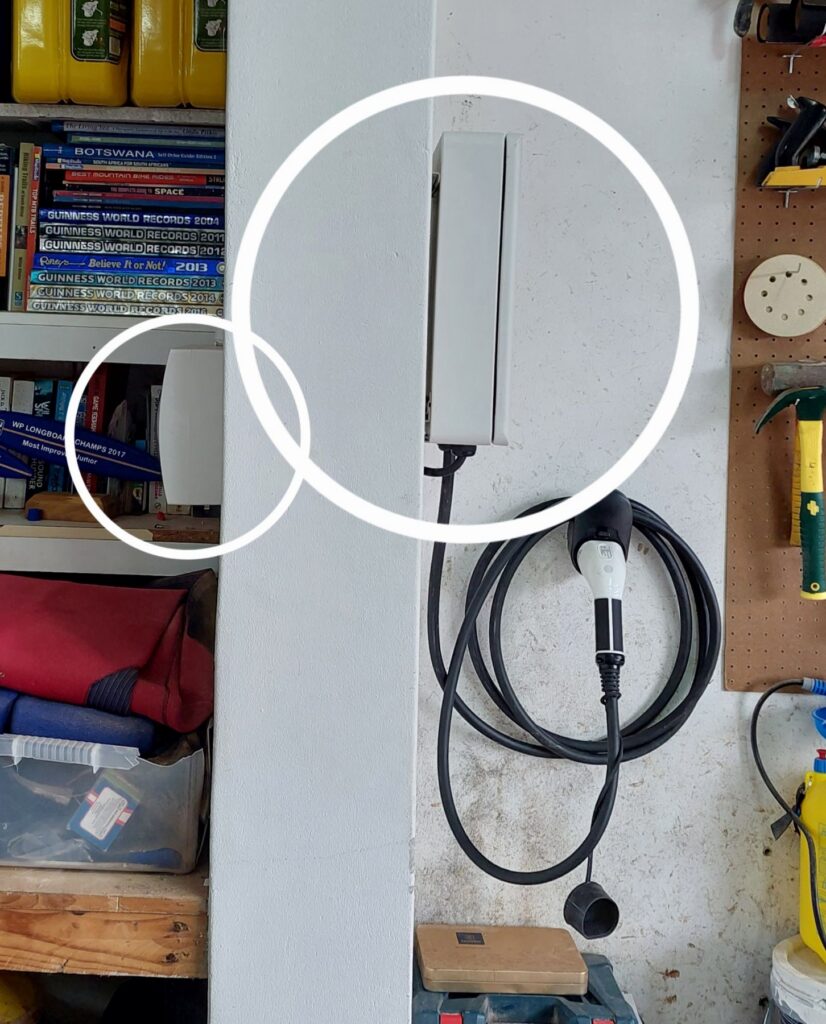
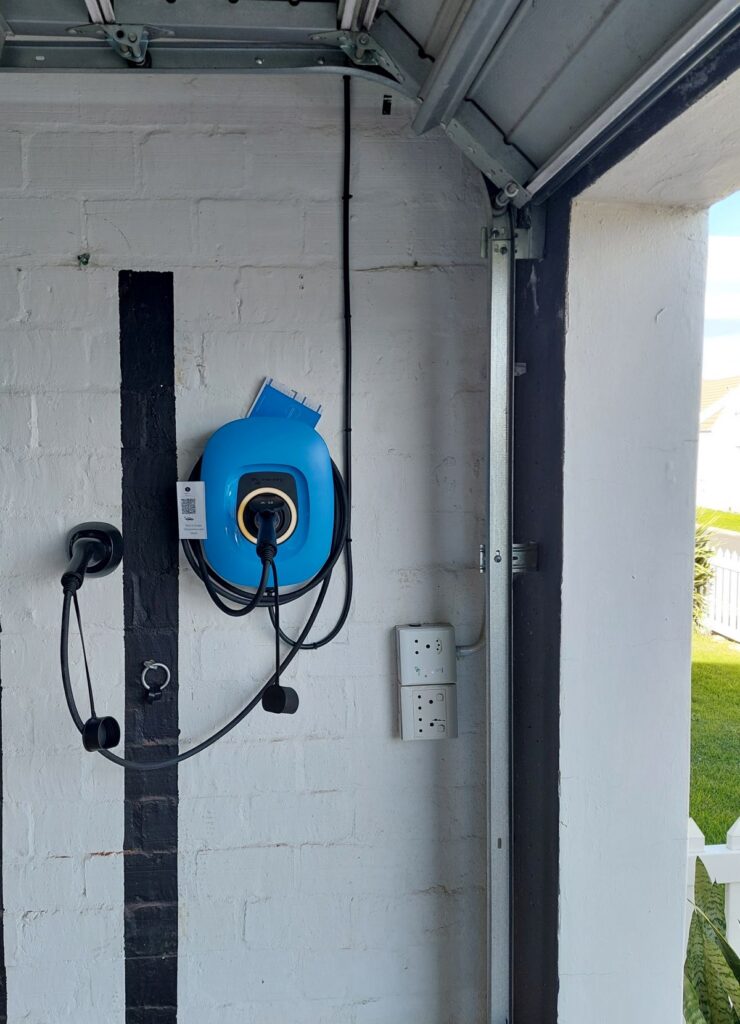
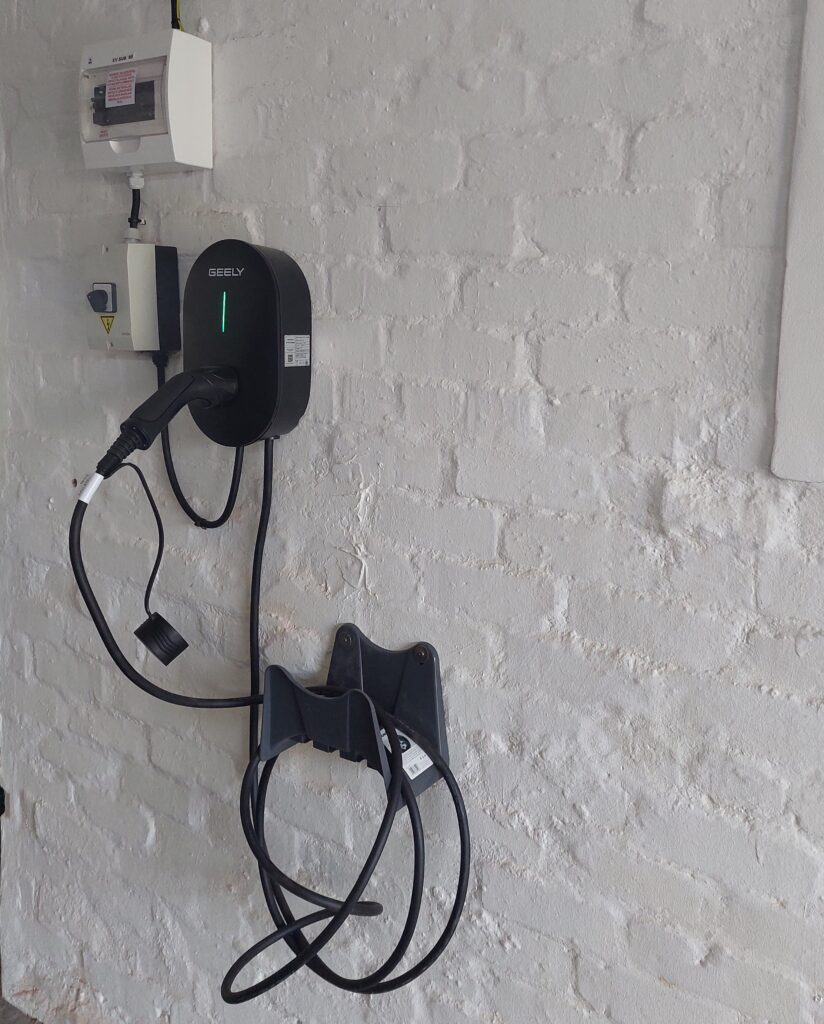
Depending on your electrical board location, cable run length, and whether you need a new charger unit – a physical site assessment gives the most accurate price, but most straightforward installs fall in the R4,500–R7,500 range + charger.
The main cost drivers are: where your distribution board is located (garage vs. inside the house), how far the cable needs to run from the board to the charger, whether you already own a charger or need one supplied, and any extra protection like a Type 2 voltage suppressor.
Yes. EV charger installs require a qualified electrician, a dedicated 40A MCB (mini circuit breaker), and Type A earth leakage protection on the circuit. This ensures the installation is safe, compliant, and covered under warranty — it’s not a DIY job.
Yes, but with caution. A portable EV charger typically pulls around 2.7kW (13 amps) continuously for 6–12 hours. If it shares a circuit with other appliances, that circuit can overheat to dangerous levels — so it’s best to run the charger on its own dedicated circuit.